
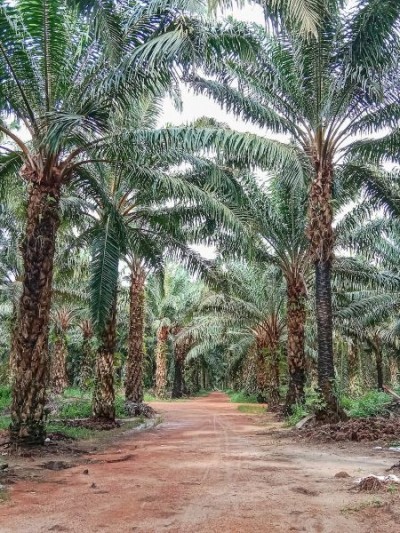
Towards living wages in palm oil
Published on 7 October 2026
Research on wages for the network International Palm Oil Workers United (IPOWU) across Colombia, Ghana and Indonesia by The Wageindicator. The 4-pager 'Towards living wages in palm oil' offers strategic advocacy priorities for trade unions in Colombia, Ghana, Indonesia.
Also read our other publications
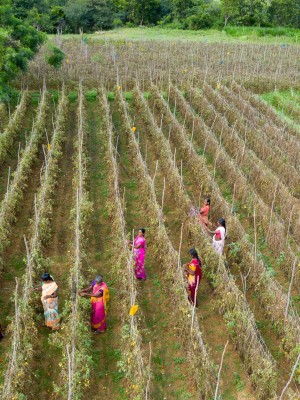
Infographic - From seed to millions
Published on 27 November 2025
The unequal value chain between the Netherlands and India from a single seed to global trade. But who really profits?
Read more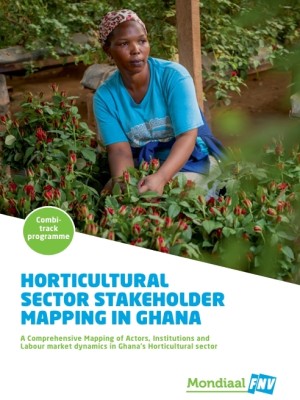
Stakeholder mapping Horticultural sector in Ghana
Published on 28 February 2024
Stakeholder mapping Horticultural sector in Ghana
Read moreHome Publications Towards living wages in palm oil